





.png?width=300&name=ChatGPT%20Image%20Sep%2012%2c%202026%2c%2001_05_12%20AM%20(3).png)
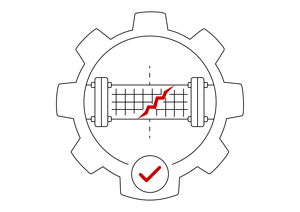
Corrosion Under Insulation
.png?width=300&name=ChatGPT%20Image%20Sep%2012%2c%202026%2c%2001_05_12%20AM%20(2).png)
.png?width=300&name=ChatGPT%20Image%20Sep%2012%2c%202026%2c%2001_05_13%20AM%20(4).png)
.png?width=300&name=ChatGPT%20Image%20Sep%2012%2c%202026%2c%2001_05_12%20AM%20(1).png)
.png?width=300&name=ChatGPT%20Image%20Sep%2012%2c%202026%2c%2001_05_13%20AM%20(5).png)




Shahbaz AkramNov 23, 2024, 11:46:44 AM
The Multi-Trillion Challenge in Asset Integrity
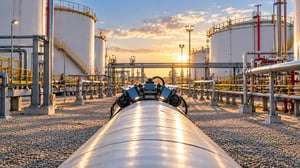
Asset integrity remains a significant operational challenge across global industries, with many issues remaining undetected. Industrial assets, including pipelines, vessels, and storage systems, function in demanding environments where degradation often develops gradually and without visible indicators. Corrosion alone is estimated to cost the global economy over $2.5 trillion annually, equivalent to approximately 3–4% of global GDP, according to studies by NACE International (now AMPP). A substantial portion of this cost is linked to corrosion under insulation (CUI), one of the most difficult forms to detect and manage.In addition to corrosion, asset integrity challenges encompass inspection costs, unplanned downtime, operational inefficiencies, and safety risks. Collectively, these factors represent a multi-trillion-pound global burden.
The Hidden Cost of Inspection
Traditional inspection approaches rely primarily on manual methods, such as scaffolding, rope access, and shutdown-based inspections. Although effective in specific situations, these methods present significant limitations:
- High Operational Disruption
Inspections often require shutdowns, impacting production and revenue. - Access Constraints
Complex structures demand scaffolding or rope access, increasing time and cost. - Safety Risks
Personnel are exposed to hazardous environments during inspection activities. - Limited Coverage
Inspections are typically localised, leaving large areas unassessed.
These constraints hinder the achievement of consistent, scalable, and cost-effective inspection across extensive industrial assets.
Why Current Solutions Are Not Enough
Although advanced non-destructive testing (NDT) techniques have enhanced inspection capabilities, they are frequently implemented in isolation. Common challenges include:
- Limited integration between inspection methods
- Inconsistent data quality and repeatability
- Difficulty accessing complex or non-magnetic surfaces
- Lack of continuous monitoring capability
Consequently, inspection data is often fragmented, which may provide insights but does not always support confident decision-making.
A Shift Towards Integrated and Intelligent Inspection
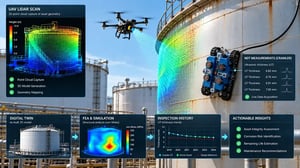
To address these challenges, the industry is transitioning toward integrated inspection systems that combine multiple technologies within a unified framework. Modern inspection strategies increasingly incorporate:
- Non-invasive NDT techniques for screening and measurement
- Robotic platforms for access to complex and hazardous environments
- Data analytics and digital tools for interpretation and decision-making. This integration facilitates more comprehensive inspection coverage and reduces operational disruption.
From Inspection to Intelligence
The focus of asset integrity management is shifting from periodic inspection toward continuous insight. By integrating inspection data into centralised systems, organisations can:
- Identify trends and degradation patterns.
- Prioritise high-risk areas
- Support predictive maintenance strategies.
- Improve long-term asset reliability.
This transition transforms inspection from a reactive activity into a proactive, data-driven process.
Built for Complex Industrial Environments
Inspection challenges are most pronounced in high-risk sectors such as:
- Oil and gas infrastructure
- LNG and LPG storage systems
- Chemical processing facilities
- Renewable energy assets
These environments require solutions that operate reliably under demanding conditions and deliver accurate, repeatable results.
How CUINSPEC Is Addressing the Challenge
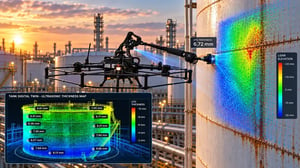
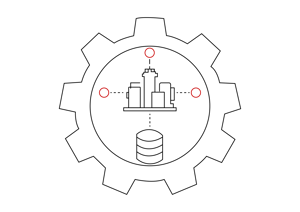
At CUINSPEC Ltd., we are developing integrated inspection solutions that combine robotics, advanced non-destructive testing, and intelligent data processing. Our approach focuses on:
- Multi-sensor inspection in a single deployment
- Non-invasive techniques that reduce disruption
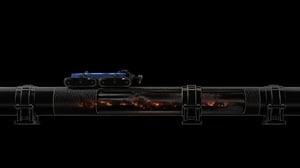
- Robotic systems for accessing complex and non-magnetic surfaces
- Real-time data collection and analysis
This approach enables asset managers to gain deeper insight into asset condition while reducing inspection costs and operational risk.
Conclusion
Asset integrity poses both technical and strategic challenges. Although corrosion alone constitutes a multi-trillion-dollar problem, inefficient inspection practices further contribute to unnecessary costs and risks. By adopting integrated, intelligent inspection systems, industries can improve safety, reduce downtime, and make more informed decisions, thereby ensuring the long-term reliability of critical assets.
COMMENTS